Île aux Aigrettes

Île aux Aigrettes is a 26-hectare coral island located off the southeast coast of Mauritius in Mahébourg Bay. Unlike the volcanic main island, it is composed of coralline limestone, providing a distinct ecosystem. This reserve is home to the last remnants of dry coastal forest, once abundant around Mauritius. Due to deforestation and invasive species, the island underwent significant habitat restoration, making it a leading conservation site.

Conservation Efforts

Declared a nature reserve in 1965, Île aux Aigrettes has undergone extensive restoration led by the Mauritian Wildlife Foundation (MWF). The main objectives have been the removal of invasive species, reintroducing endemic flora and fauna, and restoring the coastal forest ecosystem. This conservation work has transformed the islet into an open-air laboratory, where scientists monitor endangered species and ensure their survival.
Conservationists restoring native vegetation and reintroducing endemic species on Île aux Aigrettes.

Scientists and conservationists working to restore the dry coastal forest on Île aux Aigrettes, removing invasive plants and monitoring speciesLink : Mauritian Wildlife Foundation

Flora and Fauna

Île aux Aigrettes is home to some of Mauritius’s rarest species, including the pink pigeon, once nearly extinct. The island also shelters the Mauritius fody, the Mauritius olive white-eye, and Telfair’s skink. Visitors can also spot Aldabra giant tortoises, reintroduced to mimic the role of the extinct giant tortoise in seed dispersal. The ebony trees, once decimated for trade, are now being replanted to restore the island’s original ecosystem.

a very rare and localized passerine from the family of white-eyes

The Mauritius olive white-eye

The Mauritius olive white-eye is a critically endangered bird, found in Mauritius’s forests, known for its olive-green plumage and insectivorous diet.

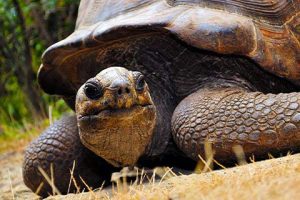
Giant tortoise roaming freely in Île aux Aigrettes.

The Aldabra giant Tortoise

The Aldabra giant tortoise is a large, herbivorous reptile, thriving on Mauritian islets, known for its long lifespan and ecological role.

Telfair's skink The species is endemic to Round Island, one of the islands of Mauritius.

The Telfair’s skink

The Telfair’s skink is an endemic reptile of Mauritius, playing a vital role in ecosystem balance and insect control.

Foudi de Maurice

Foudi de Maurice

The Mauritius fody is a small endemic bird with bright red plumage, known for its adaptive nesting and forest conservation role.

Visiting Île aux Aigrettes

Visitors can only access Île aux Aigrettes through guided tours, organized by the Mauritian Wildlife Foundation. Tours last approximately 1.5 hours, taking visitors through lush pathways, where they can observe endangered species and learn about the island’s ecological restoration. Departure is from Pointe Jérôme, and bookings are required in advance. This eco-tourism experience offers insight into Mauritius’s conservation efforts while ensuring minimal impact on the reserve.
A group of visitors on a guided nature tour in Île aux Aigrettes, learning about conservation.

A group of tourists accompanied by an MWF guide, observing native species and restored ecosystems on Île aux Aigrettes – Link : Mauritian Wildlife Foundation


Île aux Aigrettes is a symbol of Mauritius’s commitment to conservation, offering a rare glimpse into restored native ecosystems. Through ongoing scientific efforts and eco-tourism initiatives, this protected islet serves as a sanctuary for endemic species and an educational platform for sustainable conservation. Visiting this reserve provides a deeper appreciation of Mauritius’s natural heritage and the importance of preserving it for future generations.