
Exploring the Mauritian Festivals by Season
Mauritius has a cultural calendar shaped by its Hindu, Tamil, Muslim, Christian and Chinese communities. From coloured powders at Holi to lights at Divali and pilgrimages to sacred places, celebrations offer a different way to discover the island — with curiosity, time and respect.
Plan around the date, not just the season. Many religious celebrations follow lunar calendars and move from year to year. The periods below are a guide to planning, rather than a fixed annual timetable. Check the official calendar and the local programme before organising your visit.
December–February: summer celebrations
Christmas and New Year bring family gatherings and seasonal celebrations. Public events, hotel programmes and transport arrangements vary, so confirm the details of anything you would like to attend.
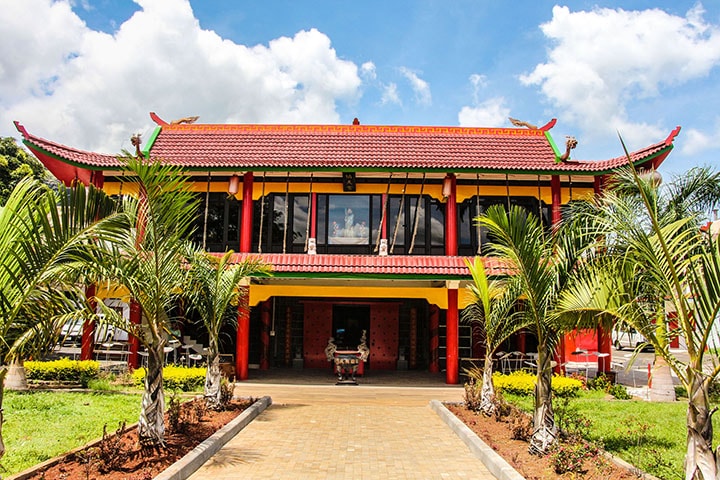
Thaipoosam Cavadee and the Chinese Spring Festival also fall around this part of the year, depending on their calendars. Cavadee is a religious observance, not simply a performance for visitors. For Chinese New Year, look for locally announced cultural events in Port Louis rather than assuming that every venue has the same programme.
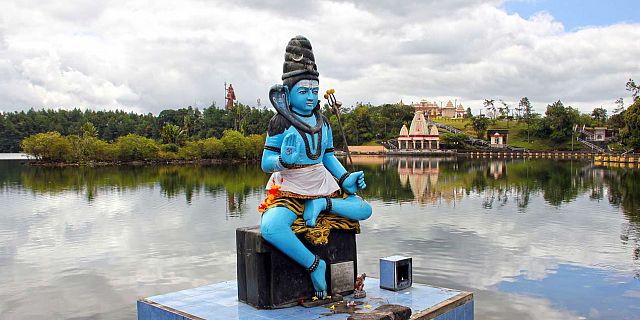
Maha Shivaratree, usually around February or March, is associated with pilgrimage to Ganga Talao, also known as Grand Bassin. Around major observances, allow extra journey time and follow local traffic instructions.
March–May: colours and cultural encounters
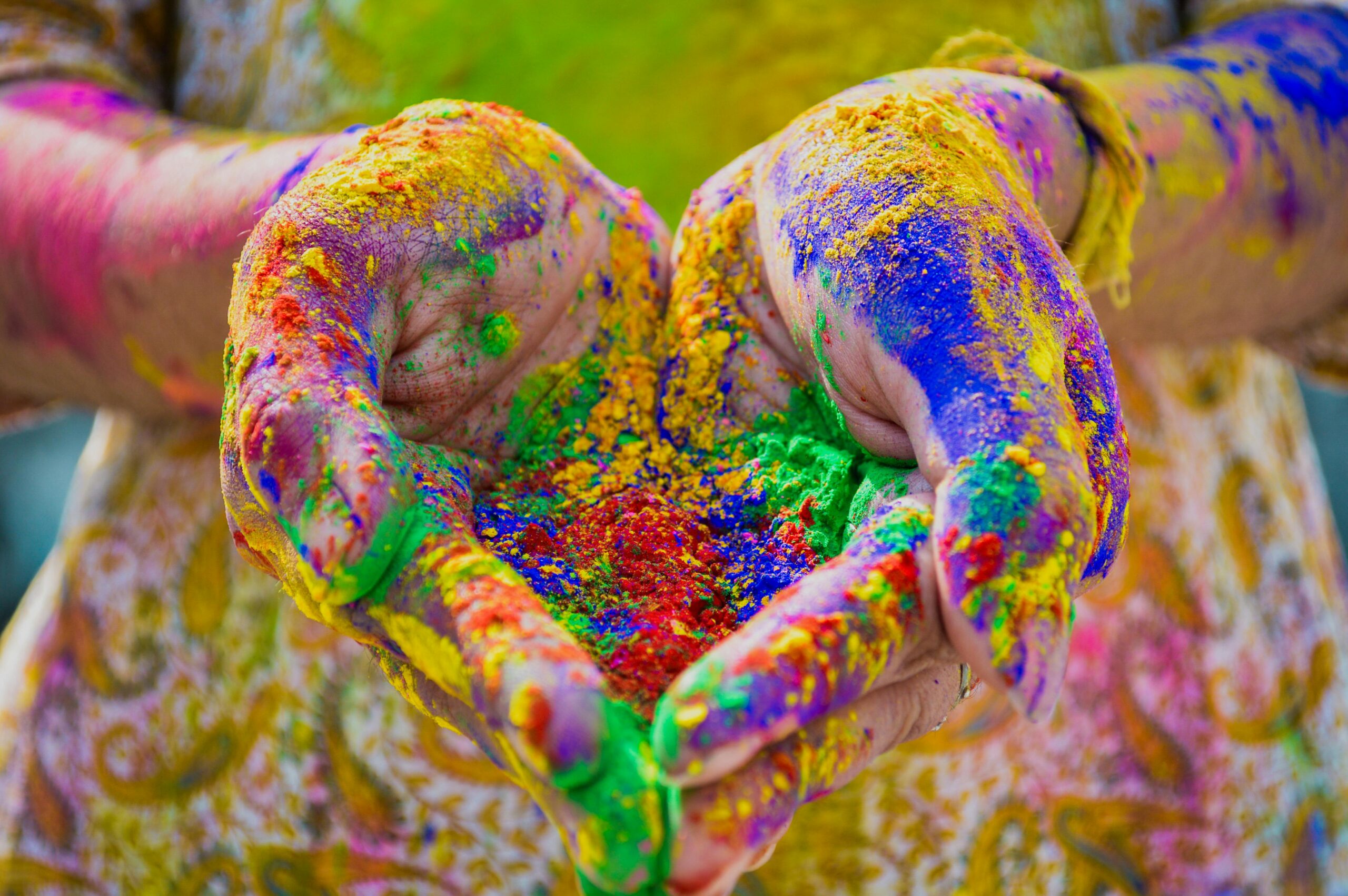
Holi, also known as the Festival of Colours or Phagwa, brings coloured powders, songs and community gatherings. It often falls near the end of summer or the start of autumn; check the date for your travel year. Ask before joining in or applying colour to someone, and protect cameras and phones from powder.
This part of the year can also include Ugadi and Easter. Dates and local activities differ each year. Choose events that are publicly announced and check access arrangements with the organiser.
June–August: follow the local cultural programme
The cooler months can be a good time to build cultural stops into your itinerary. For music, exhibitions, food events or community celebrations, consult the current programme rather than relying on the same event returning on the same weekend every year.
Eid al-Fitr is not tied to the Mauritian winter. It marks the end of Ramadan and follows the Islamic lunar calendar, so its season changes over time. The exact local date can depend on confirmation of the moon sighting. Check the calendar for your year and respect the private nature of family gatherings.
September–November: pilgrimage, processions and lights
The Père Laval pilgrimage takes place in September, rather than during June–August. For example, the official 2026 arrangements covered 8 and 9 September. Check the current organisation and access information if you plan to visit Sainte-Croix around the pilgrimage.
Ganesh Chaturthi falls around August or September, so it may sit near the boundary between the cooler season and spring. Divali, the Festival of Lights, generally falls around October or November. Confirm dates locally, observe any restrictions and ask before photographing ceremonies, participants or private homes.
Enjoy the celebrations with care
- Check whether an event welcomes visitors and whether booking is required.
- Dress for the place of worship and follow instructions about shoes, access and photography.
- Ask before taking close photographs of people or joining a ritual.
- Allow time for road closures, crowds and your return journey.
- Keep a respectful distance from worshippers and leave access routes clear.
Continue planning with our local culture guide, best time to visit Mauritius guide and Getting Around guide.
Updated 8 November 2026. Sources: Ministry of Tourism, Government cultural information, National Heritage Fund: Holi, 2026 pilgrimage arrangements and official 2026 holiday calendar. Check the appropriate year’s notices before travelling. Photographs reused from the Indian Ocean Waves media library.