
Château de Labourdonnais
Located in Mapou, Mauritius, the Château de Labourdonnais is a well-preserved colonial estate offering a journey through the island’s 19th-century history. Built in 1859, this architectural landmark reflects the lifestyle of wealthy plantation owners. Surrounded by lush gardens, orchards, and a rum distillery, it has been transformed into a museum and cultural attraction.
Historical Background
The Château de Labourdonnais was constructed by Christian Wiehe, a prominent Mauritian planter, to serve as a family residence. The house is a fine example of neoclassical colonial architecture, built using local teak and mahogany. The estate’s sugarcane fields and fruit orchards contributed to the island’s agricultural economy, and today, it continues to produce artisanal rum, jams, and fruit-based products.
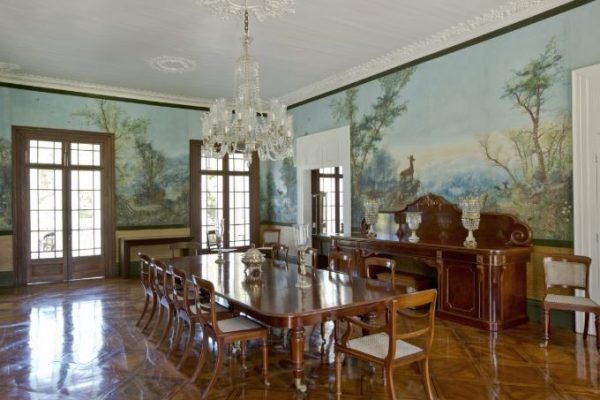
The elegant interior of Château de Labourdonnais with restored antique furnishings
The Estate and Museum Experience
Visitors to the Château de Labourdonnais can explore:
The restored mansion, featuring antique furniture, stained glass windows, and handcrafted décor.
The gardens and orchards, home to mango, guava, and spice trees.
The Rhumerie des Mascareignes, where traditional Mauritian rum is produced.
The tasting area, offering fruit preserves, local juices, and artisanal products.

Rum production at Château de Labourdonnais, where visitors can enjoy tastings – Link : Domaine de Labourdonnais
Cultural and Tourism Significance
As one of the best-preserved colonial houses in Mauritius, the Château de Labourdonnais provides insight into the island’s plantation era. It is also a venue for events, exhibitions, and educational programs, attracting history enthusiasts, architects, and tourists interested in Mauritian heritage.
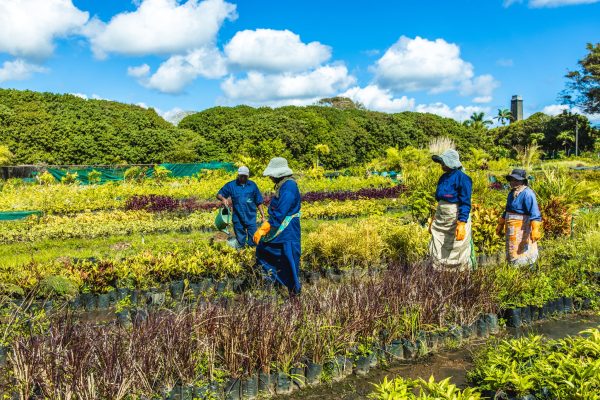
The gardens of Château de Labourdonnais, home to mango trees, guavas, and rare tropical species