Located in Port Louis, the Aapravasi Ghat is a significant historical site in Mauritius, recognized as a UNESCO World Heritage Site. This site played a key role in the indentured labor migration system, which shaped the island’s cultural and economic landscape.
Historical Background
In 1834, following the abolition of slavery, the British introduced a system of indentured labor to sustain the sugar plantation economy. Mauritius became a testing ground for this system, with thousands of workers, mainly from India, arriving at Aapravasi Ghat before being sent to different parts of the island. Built in 1849, the site served as an immigration depot, marking the beginning of a large-scale migration that influenced Mauritian society.
Cultural and Heritage Significance
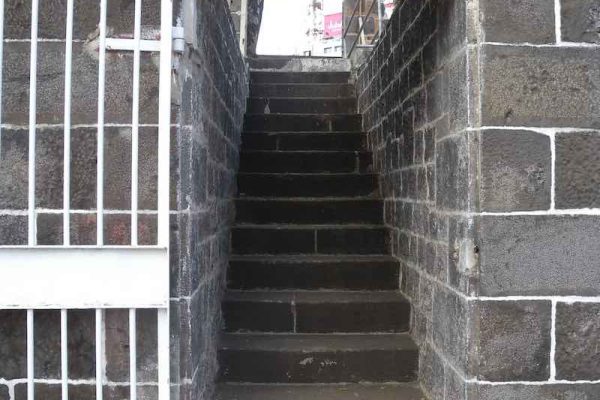
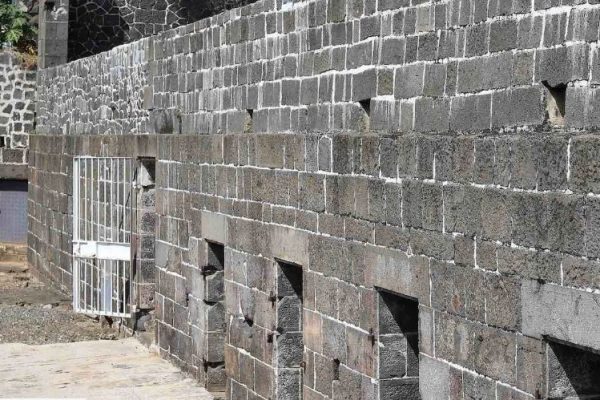
The Aapravasi Ghat is one of the few remaining physical sites that document the history of indentured labor. Its stone steps, once walked upon by thousands of laborers, symbolize the journey of migrants seeking a new life. In 2006, UNESCO recognized the site for its historical and cultural importance. The ruins include buildings, latrines, and stone structures, providing insight into the conditions faced by immigrants.
Visiting Aapravasi Ghat
Today, Aapravasi Ghat is a public museum, offering an interactive experience that narrates the history of indentured labor in Mauritius. Visitors can explore exhibits displaying historical records, personal belongings, and multimedia presentations. The museum is free to visit, and its location near Port Louis’ waterfront makes it easily accessible.
The Aapravasi Ghat serves as a lasting reminder of the indentured laborers’ resilience and their role in shaping modern Mauritius. Its preservation allows future generations to understand this chapter of global migration history and its profound impact on the country’s culture and identity.